2013-02-28
Explanation
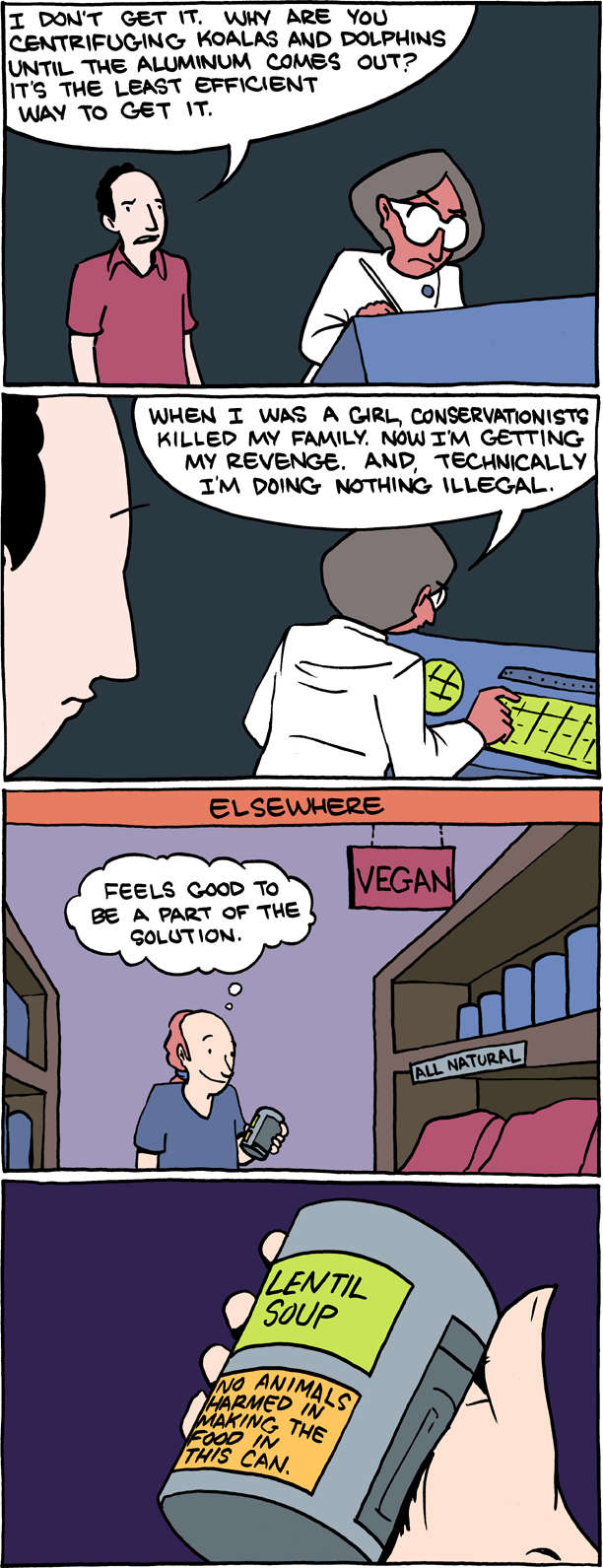
This comic opens with a man questioning a scientist about why she's "centrifuging koalas and dolphins until the aluminum comes out," noting that it's the least efficient way to obtain aluminum. The scientist explains that when she was a girl, conservationists killed her family, and now she's getting revenge -- and technically, she's doing nothing illegal.
The scene then cuts to "elsewhere," where a man shops at a vegan store, picking up a can of lentil soup labeled "No animals harmed in making the food in this can." He thinks to himself, "Feels good to be a part of the solution." The implied joke is that the aluminum can itself was made by centrifuging adorable animals -- so while no animals were harmed making the food, the packaging is another story entirely.
The comic works as a commentary on the limits of ethical consumerism. People who buy products labeled "cruelty-free" or "vegan" feel virtuous, but supply chains are complex and opaque. The absurdist premise -- extracting aluminum from koalas -- exaggerates the point that consumers rarely investigate every component of a product. It also satirizes the self-satisfaction of virtue signaling through purchasing choices, and the way that marketing labels can create a false sense of moral completeness. The scientist's backstory about conservationists killing her family is a bonus absurdist touch, creating a villain with a grudge specifically targeting the overlap between environmentalism and animal welfare.