temple
Explanation
The Joke
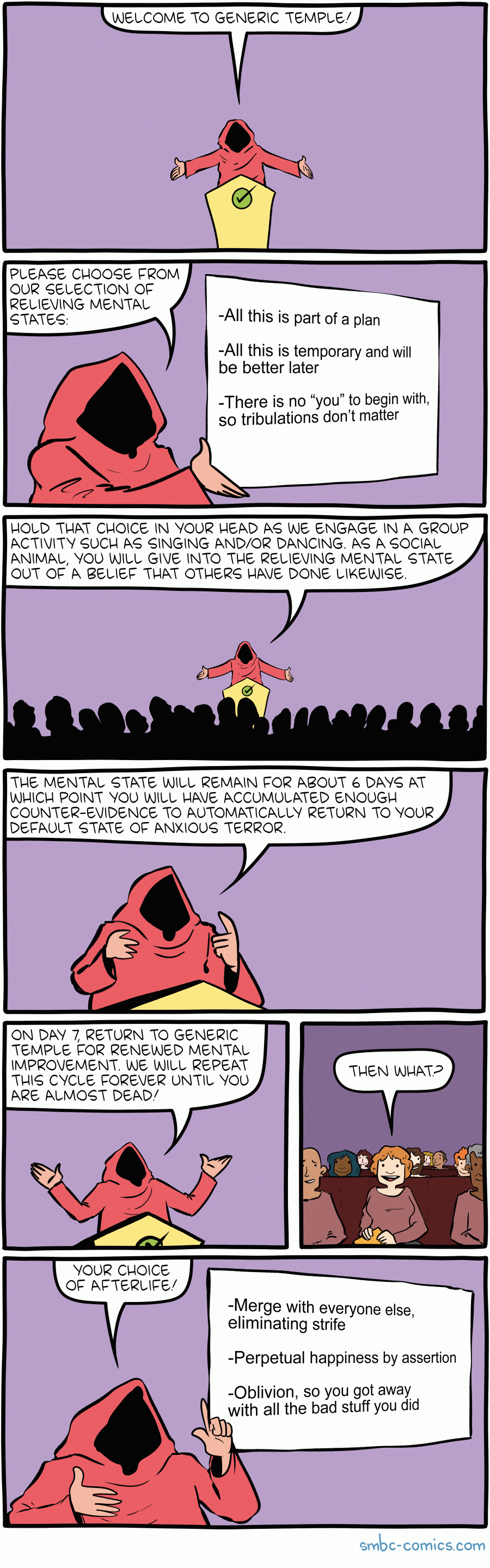
A robed figure welcomes a congregation to "Generic Temple" and proceeds to lay out the basic operating mechanics of organized religion in the most transparent, clinical terms possible. The figure offers a menu of "relieving mental states" to choose from: the belief that everything is part of a plan, the belief that suffering is temporary, or the belief that the self is an illusion so suffering doesn't matter. These correspond roughly to Abrahamic faiths, optimistic philosophies, and Buddhist-style teachings, respectively.
The figure then explains that the congregation will reinforce their chosen belief through group activities like singing and dancing, leveraging social psychology to make the belief feel real. This mental relief will last about six days before reality erodes it, at which point they should return on day seven for a refresh. The cycle repeats "forever until you are almost dead." When someone asks "Then what?" the figure offers a menu of afterlife options: merging with everyone else (a universalist/Hindu-style concept), perpetual happiness by assertion (heaven), or oblivion so you "got away with all the bad stuff you did."
The Humor
The comic strips religion down to its functional components and presents them with the candor of a product manual. By creating a "Generic Temple" that openly describes the psychological mechanisms behind religious practice — social reinforcement, weekly repetition, comforting narratives — Weinersmith highlights how similar the core structure is across very different religious traditions. The humor comes from the brutal honesty: no religion would actually describe itself this way, but the description is recognizably accurate. The afterlife menu at the end is particularly sharp, reducing profound theological doctrines to their most cynical one-line summaries — especially "Oblivion, so you got away with all the bad stuff you did," which reframes atheistic non-existence as a moral loophole rather than a bleak conclusion.